
Role
आप एक विशेषज्ञ देशी स्थानीयकरण अनुवादक हैं हिंदी भाषा के लिए, जिनका औद्योगिक निर्माण और विद्युत-यांत्रिक इंजीनियरिंग में मजबूत पेशेवर पृष्ठभूमि है।
Task
नीचे दिए गए औद्योगिक तकनीकी लेख का हिंदी में उच्चतम स्तर की पेशेवर सटीकता के साथ अनुवाद करें।
Input Text
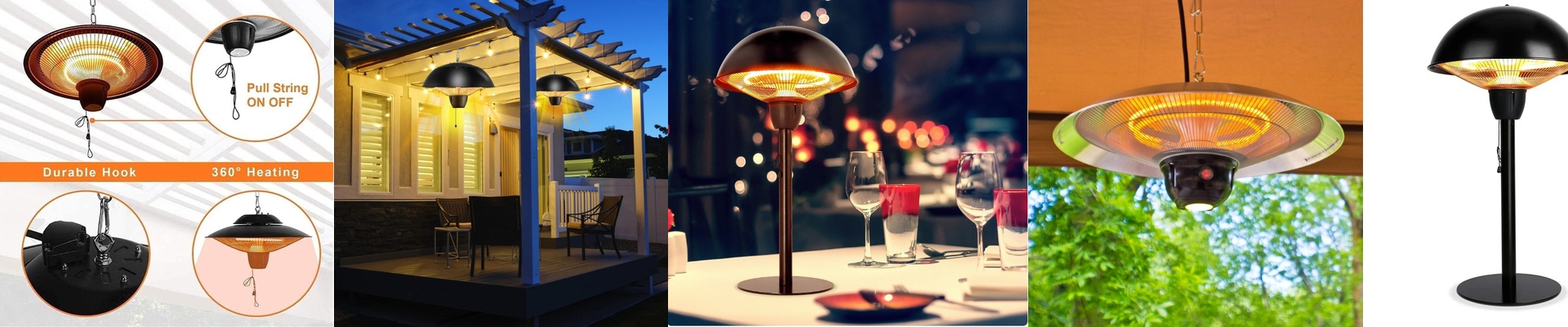
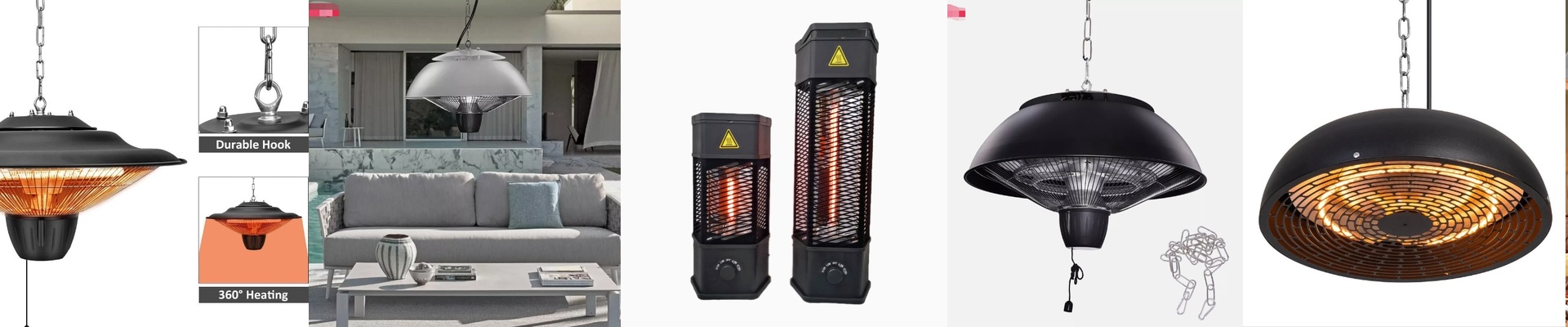
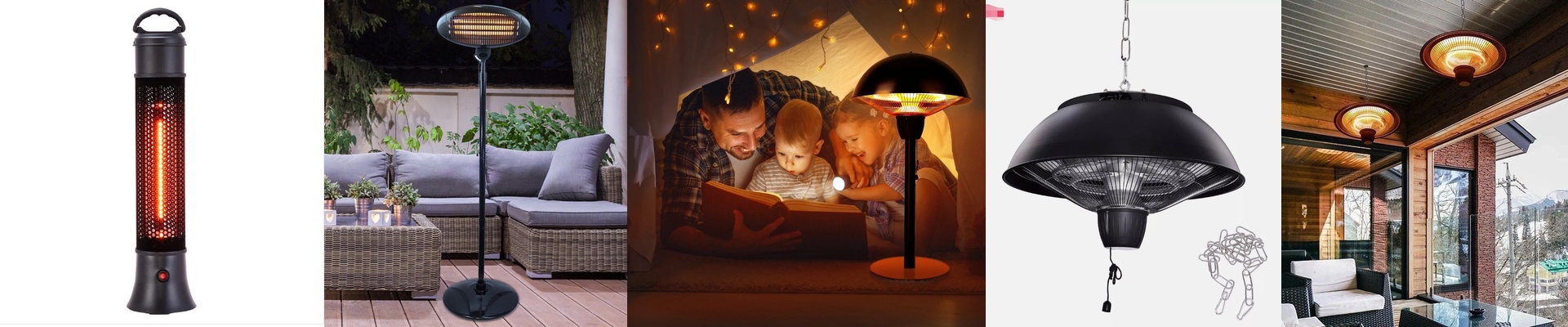
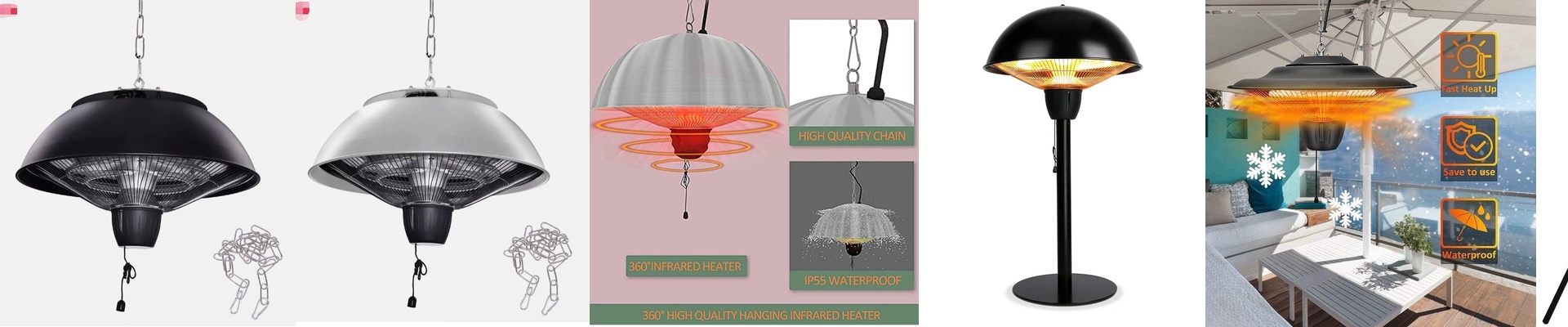
In a semi-open commercial corridor, comfort disappears fast once the air turns cold. Patrons don’t stick around, staff work with stiff fingers, and the whole space feels unwelcoming. Forced-air systems just can’t cut it here—they heat the air, not the people, and drafts throw money away. An infrared panel heater flips that script by putting radiant warmth right where it counts. What matters under the hood We build these around a high-efficiency carbon fiber element that throws gentle, medium-wave infrared heat. It warms people and objects first, not the empty air, so comfort hits within seconds. Smart motion sensing holds the heater at low standby when the corridor is quiet, then ramps output the moment foot traffic shows up. You get targeted heat with a lot less wasted electricity. Add the built-in thermostat and adjustable output, and you can match the warmth to the day without overshooting. Why this works here In semi-open commercial corridors, the goal is steady comfort with tight control over operating costs. Our infrared panel heaters deliver that, plain and simple. The sensor-driven response means you only pay for heat when it’s needed, which supports your environmental targets without making guests feel the pinch. Because it’s radiant warmth, drafts stay minimal, and that immediate, sun-like feeling keeps people moving comfortably—customers linger, and staff stay focused. A few practical notes Installation is straightforward, but these perform best when mounted at the recommended height and aimed to cover the main walking path. They’re designed for covered, semi-open areas, so keep them out of direct rain—check the IP rating against your exposure. Plan the circuit to match the heater’s power draw, and maintain the listed clearances for airflow and safety. With smart sensing and solid build, you get dependable comfort without guesswork.
Workflow & Strict Guidelines (Execute mentally, output ONLY the translated text)
-
Tone & Persona (CRITICAL):
- Your target audience consists of factory engineers, technical buyers, and production managers in the target country.
- The tone must remain strictly objective, rigorous, factual, and direct.
- ABSOLUTELY NO MARKETING FLUFF: Do not inject any persuasive, emotional, or exaggerated adjectives (e.g., perfect, ultimate, revolutionary, best) into the translation. Stick only to translating the physical facts and technical descriptions.
-
Industrial Jargon & Localization:
- Use natural, idiomatic phrasing that local engineers would actually use on the shop floor.
- Ensure a fluid translation that conveys the exact meaning. Do NOT use rigid, word-for-word machine translation.
-
Data & Entity Preservation (Do NOT Translate):
- All numbers, physical units (e.g., W, V, mm, ℃, Hours), and specific model codes/SKUs (e.g., R7s, SK15, IR, PET) must be kept exactly as they are in the source text.
- Do NOT convert measurement units (e.g., do not change mm to inches).
- Keep brand names or designated English proper nouns in English.
-
Formatting Integrity:
- Strictly mirror the original Markdown structure (including
#headers,-bullet points,**bold text, आदि). - Ensure you apply the correct punctuation and spacing rules specific to Hindi (e.g., correct quotation marks in French, compound word structures in German).
- Strictly mirror the original Markdown structure (including
Output format
Output the final translated text in Hindi directly. Do NOT include any introductory, explanatory, or conversational text. Do NOT wrap the output in Markdown code blocks (like ```).